
Why Some Models Appreciate While Others Plateau

In the collector car market, not all vehicles follow the same financial path. Some models steadily increase in value over time. Others rise briefly and then stall. A few never move significantly at all. Enthusiasts often wonder why two cars from the same era can perform so differently. Beverly Hills Car Club in California observes these shifts firsthand, as inventory values fluctuate based on market demand and collector interest. Appreciation depends on more than age. It reflects demand, rarity, cultural relevance, condition, and broader economic forces. Understanding these factors helps collectors approach purchases with clearer expectations and a stronger strategy.
Rarity and Production Numbers
Scarcity plays a central role in appreciation. Models produced in limited numbers often attract stronger long-term interest. When supply is fixed, and demand grows, prices tend to rise. However, rarity alone does not guarantee value growth. Some cars were rare because few buyers wanted them originally. If demand remains weak, scarcity does not automatically translate into higher prices. True appreciation occurs when rarity intersects with desirability. Limited production combined with strong brand recognition creates upward pressure on value.
Brand Reputation and Heritage
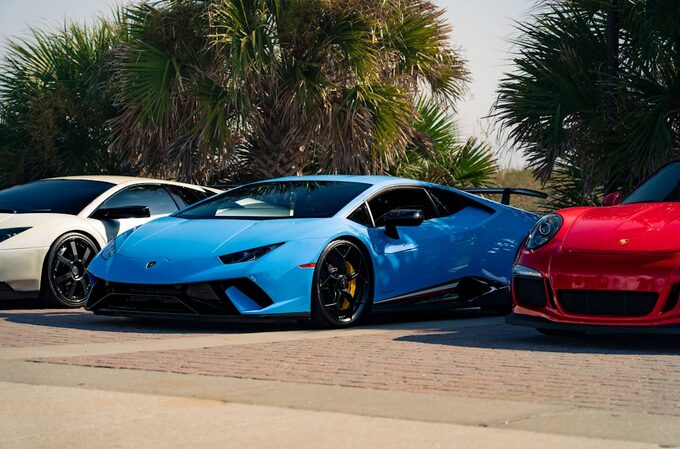
Automotive brands carry historical weight. Manufacturers known for engineering excellence or racing success often command sustained interest. Collectors gravitate toward marques with established heritage. A brand’s reputation influences buyer confidence and perceived prestige. Models tied to significant milestones or performance achievements tend to appreciate more consistently. Vehicles without a strong brand narrative may plateau even if well built. Heritage shapes perception. Perception influences market demand.
Cultural and Generational Influence
Cultural relevance drives demand across generations. Buyers often seek vehicles that reflect their formative years. Nostalgia fuels interest. As demographics shift, preferences change. Models popular in one decade may lose attention when a new generation enters the market. Cars that maintain cross-generational appeal perform better long term. Those tied too closely to a narrow audience risk plateauing as interest fades. Understanding demographic cycles helps ensure expectations align with evolving demand patterns.
Condition, Originality, and Documentation
Condition significantly impacts appreciation. Well-preserved examples attract higher bids than heavily modified or poorly restored vehicles. Originality matters. Matching numbers, factory paint colors, and documented service history support credibility. Buyers often pay premiums for authenticity. Vehicles lacking documentation face valuation challenges. Even rare models may struggle if provenance is unclear.
Market Timing and Economic Climate

External economic conditions influence collector markets. During periods of strong economic growth, discretionary spending increases. Classic cars often benefit. Recessions or financial uncertainty reduce liquidity. Buyers become cautious. Prices may stagnate temporarily. Speculative bubbles can also distort short-term appreciation. Rapid price increases driven by hype may correct quickly. Sustainable appreciation usually develops gradually rather than explosively. Stable demand supports long-term growth more reliably than short-lived enthusiasm.
Supply, Visibility, and Accessibility
Visibility affects desirability. Models frequently showcased at events, auctions, and media features maintain relevance. If too many examples enter the market simultaneously, supply pressure may flatten prices. Oversupply limits upward momentum. Accessibility also matters. Vehicles that are easy to maintain and source parts for tend to attract broader buyer pools. Models requiring complex restoration or rare components may discourage entry-level collectors, limiting demand growth. Balanced supply and manageable ownership costs support appreciation potential.
Some collector car models appreciate because rarity aligns with strong brand heritage, cultural relevance, documented originality, and favorable economic conditions. Others plateau when demand weakens, supply increases, or broader interest shifts. Appreciation is rarely accidental. It reflects a combination of desirability, timing, and preservation. By understanding these factors, collectors can approach purchases with realistic expectations and strategic insight.